
Watching sports is often seen as entertainment, something to enjoy with friends or family. But the impact goes deeper. Spectating sports events can actually inspire healthier habits in daily life. It’s not just the athletes who benefit from competition and performance. Viewers often find themselves moved to make better choices simply by being engaged in the moment. For more information, visit https://dailycalifornia.com/.
Motivation Through Observation
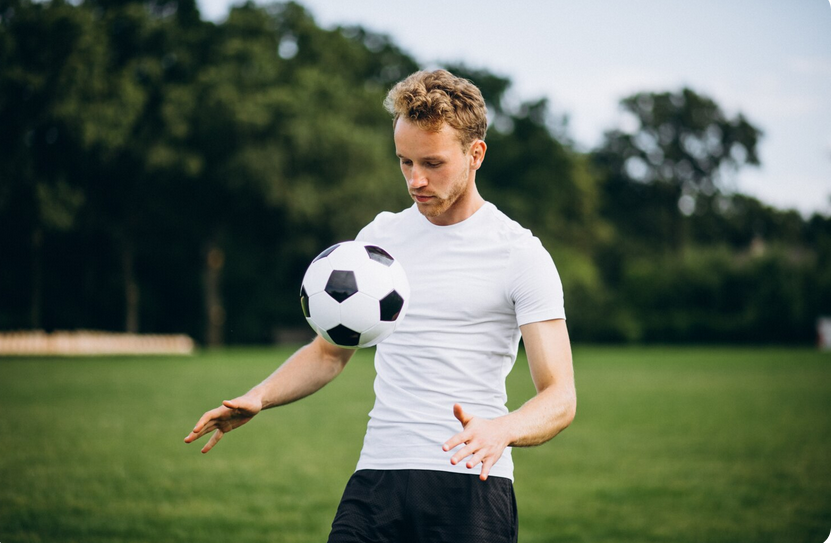
When fans watch athletes push themselves to the limit, something changes. They see discipline, strength, and focus in action. This isn’t abstract inspiration, it’s grounded in real human effort. It creates a mirror effect. Many start to think about their own routines. A person who watches a marathon might be encouraged to take up jogging. A high-energy soccer match could spark interest in recreational play. It’s not always direct, but the influence is real and measurable.
Social Energy That Spreads
Sports events bring people together. That shared excitement can lead to collective shifts in attitude. Groups of friends who attend games may start to organize their own fitness activities. Families who watch tennis finals might play a casual match the next weekend. These simple actions grow from the emotional high of spectating. The positive energy doesn’t stay in the stadium. It carries into homes, parks, and communities.
The Role of Routine and Ritual
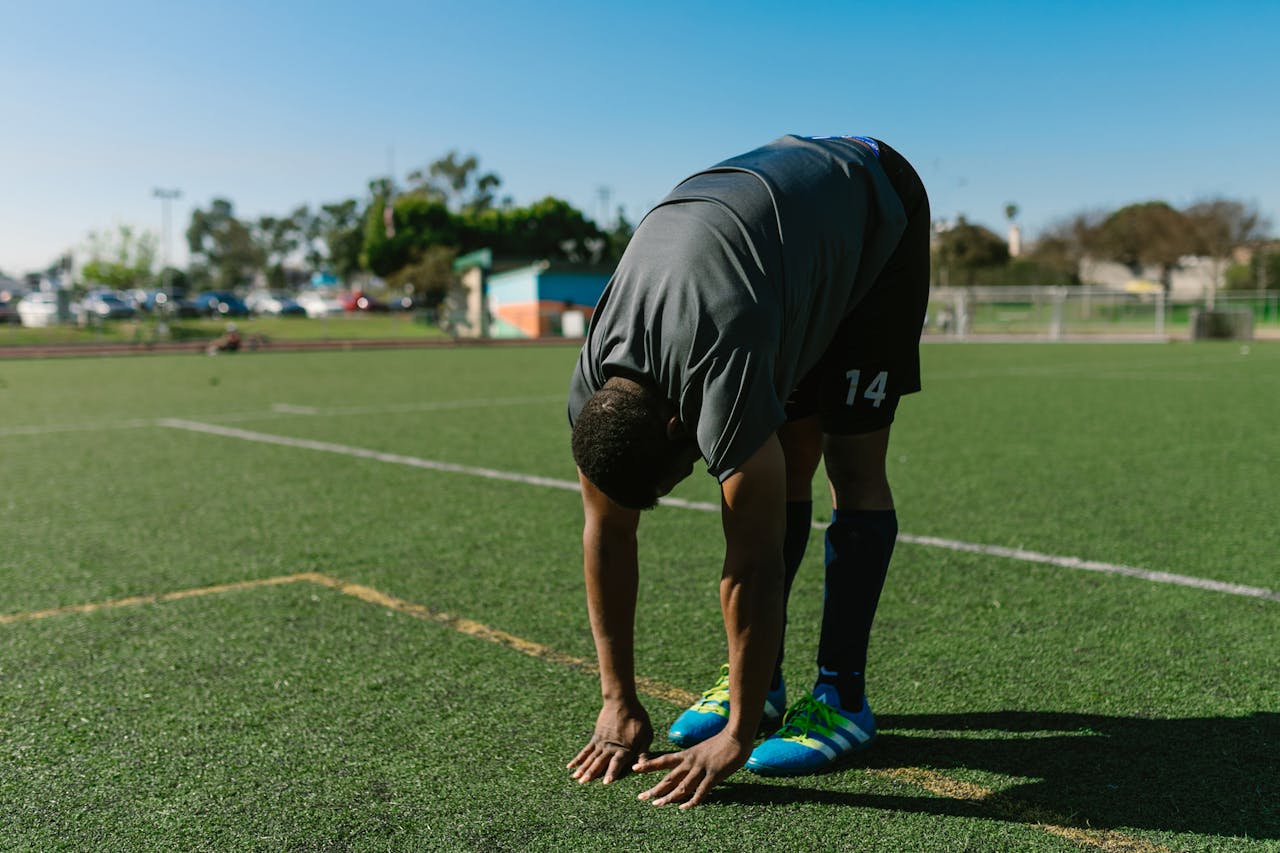
Spectating also adds structure. Fans follow seasons, track scores, and build habits around game times. This consistent routine can carry over into personal health goals. A person who makes time to watch every match might also start setting aside time to walk or stretch during halftime. They may align workouts with broadcasts. The rhythm of the sports world helps create opportunities for self-improvement.
Marketing That Promotes Movement
The connection between sports and wellness is reinforced by media and advertising. Broadcasters, teams, and sponsors often run campaigns encouraging fitness. During major events, viewers see ads for home workouts, hydration reminders, or wellness apps. These messages aren’t always loud, but they’re frequent. Over time, they influence behavior. People become more aware of options that support health. The goal isn’t to pressure, it’s to present possibilities.
Healthy Role Models, Real Influence

Athletes are often viewed as role models. Their training, nutrition, and recovery habits are shared in interviews and behind-the-scenes content. This transparency makes elite performance feel more relatable. When fans see what goes into staying strong, they begin to adopt pieces of it themselves. It might be trying a new breakfast, joining a gym, or stretching in the morning. These are small actions, but they’re rooted in a larger mindset shift.
The utmost value of sports spectating may lie in what it sparks long after the final whistle. Whether it’s joining a local league, cycling more often, or making smarter food choices, the influence spreads. Parents pass it on to kids. Friends challenge each other to do more. Communities hold fun runs or wellness fairs tied to sports events. This is the wellness ripple effect in motion, starting with the act of watching and ending with meaningful lifestyle changes.