The Best High-Calorie Foods for Muscle Gain

The journey to a well-toned body is not so easy. This is because there are several aspects of lifestyle changes that are required to steer your body to the desired state. Gaining muscles for instance, is a process which relies heavily on good diet and proper exercise routines. Many people often include supplements and boosters in their diet but this is not strictly necessary. There are a lot of natural foods which can help with muscle gain.

The following are some of the most healthy high calorie foods to gain muscle.
Muscle Gain

  • Eggs

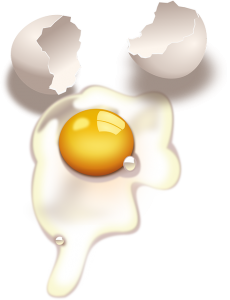
Eggs are an excellent source of protein. One egg contains a huge amount of calorie content. The fact that they are fairly affordable also makes them the best choice for all people looking to increase the calorie content in their bodies. Proteins are the building blocks of muscles and other body tissues, this is why it is important to observe a good intake of protein every day for quick muscle gain.

  • Nuts

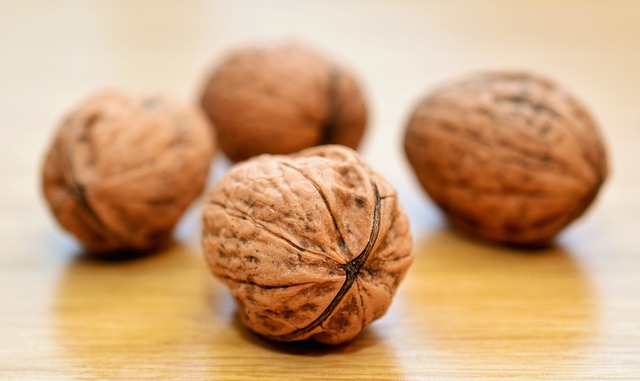
The various forms of nuts – groundnuts, peanuts and cashew nuts are a great source of calories. Considering that they are never part of a proper meal, they are the excellent choice for snacks. Nuts also contain the necessary protein content which helps muscles grow quickly and recover after a workout routine. The various products made of out of nuts, including peanut butter, also give the same calorie content and are equally recommended.

  • Beans

Beans are one of the most nutritional foods you can get. They contain a huge variety of nutrients. They are also a very good source of calories as just a cup of beans can have as high as 250 calories. They also come in a huge variety and it is easy to find the type that suits you well. Beans do a lot of great things for muscles and are highly prescribed to vegetarians and all people as well.

  • Fruitsegg

Fruits are the favorite snack for most people. While the focus is usually on the vitamin content of the fruits, there is another side of fruits that is not explored a lot. There are very many types of fruits with high calorie content which can be very beneficial to the diet of a person seeking to gain muscle.

The above foods are some of the best when we are considering – healthy high calorie foods to gain muscle. The list also explores different food sources so that it can be easy to select the best choice for you.

Symptoms Of A Cold In Toddlers

Symptoms Of A Cold In Toddlers (3)

What is a cold?

A cold is a common health condition that affects each and every child. It is often caused by a virus called rhinovirus . From generations to generations, there has been confusions between the signs and the symptoms of a cold. In this article I have explained in depth, the symptoms of a cold in toddlers.

A cold often starts with your child sneezing,followed by a sore throat which involves a buildup of mucus. The situation worsens when your toddler experiences a postnasal drip- when the mucus runs back and forth from the nose to the throat.

As the situation worsens the following are the symptoms to expect:

1. A tickle in the throat: this is a mild feeling on one’s throat like there is a sore throat although it is not that serious.

2. Watery mucus in the nose: this is commonly referred as a runny nose. Your child will experience a colorless mucus in their nose all day.

3. Sneezing: occasionally your child will sneeze. The sneeze may or may not be accompanied by the watery mucus depending on the severeness of the cold. When the cold is heavy the sneeze will always be accompanied by the watery mucus.

4.A feeling of tiredness: If your toddler is the jovial vibrant type,you will realize that they sit around with a feeling of tiredness. Mostly they stay on the couch and do not want to do anything around the house.

5. Muscle aches: the feeling of tiredness may be accompanied by muscle aches. Your toddler might complain of constant muscle aches during the 10 to 14 days that the cold might last.

6. Headache: due to the runny nose and sneezing, your child might experience pangs of headache from time to time.cry

7.Loss of appetite.The headache and feeling of tiredness are often accompanied by a loss of appetite. You will notice that your child does not have appetite even for his or her favorite dish or snack.

8. Nasal discharge that turns from yellow to green: this discharge changes color as the cold comes to an end around the 9th day. This happens as a result of the body’s immune system- antigens are busy fighting with the cold.

9. Severe sore throat: this sore throat is different from the tickle on the throat.In most cases it hurts and your child may spit a yellow discharge from the throat. When this happens most parents get antibiotics for their children.

10. Cough: the last symptom to observe in your child is a cough. The cough may be dry or accompanied by watery substances coming from your child’s mouth. When this happens, you need not worry as a cough indicates that the reflex of your child is working to protect the throat and chest.

Pediatrics always advice parents of toddlers not to worry as the cold only lasts for 10-14 days. Hence it is always advisable to keep off the antibiotics to help the child’s body develop a strong immune system.