

Losing confidence can happen gradually or all at once. It may come after an injury, a major life event, or simply from feeling out of sync with your body. When the balance between both physical and emotional feels unstable, daily tasks can feel harder than they should. There’s a tool that helps rebuild both your footing and your mindset: strength training. This practice isn’t just about lifting weights. It’s about gaining control, building trust in your body, and reshaping how you see yourself.
Understanding the Role of Muscle
Although these tips for a life reboot are surprisingly effective, your muscles sometimes still need an effective push. Muscle strength affects everything from posture to how safely you move through your day. As muscles weaken, confidence can take a hit. The fear of falling, hurting yourself, or just not being able to do what you used to can settle in quickly. Strength training addresses this directly. It rebuilds lost muscle, strengthens joints, and improves how your body handles everyday movement. That boost in function naturally brings confidence back, one rep at a time.
Restoring Balance and Control
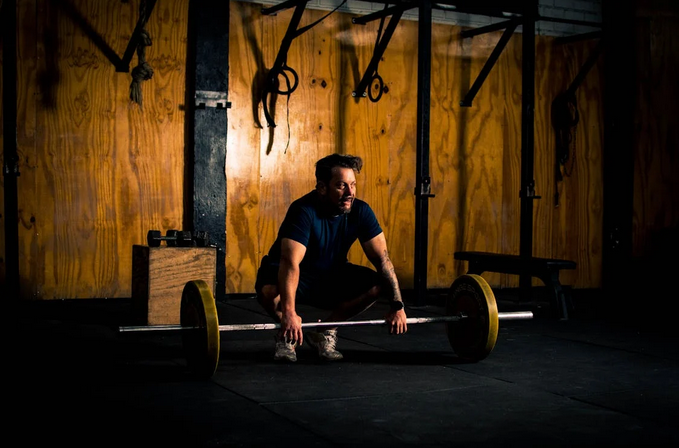
Strength training does more than build muscle. It teaches your body how to move with better control. It improves balance, coordination, and reaction time. These are key for stability, especially as we age or recover from injury. With proper training, you’ll find it easier to get up from a chair, climb stairs, or carry groceries without strain. That renewed ability builds confidence in your movements. You’re no longer bracing for weakness; you’re prepared to move with purpose.
Working Toward Long-Term Strength
The goal of strength training isn’t to become a bodybuilder. It’s to support your life and bring ease back into everyday movement. That said, the long-term benefits are significant. With regular strength work, bones stay stronger, metabolism stays active, and joints remain more protected.
Starting Where You Are
You don’t need to be in perfect shape to begin. You gain the most by starting when you feel weakest. Strength training is highly adaptable. It meets you at your level and grows with you. Begin with movements that feel safe and manageable. That might be bodyweight exercises, resistance bands, or light dumbbells. The important part is consistency, not intensity. Over time, even small improvements will stack up and create noticeable results.
Monitoring Progress That Goes Beyond the Physical

One of the most powerful outcomes of strength training is the internal shift. As your body gets stronger, your mindset changes too. You begin to trust yourself more. Your self-image becomes more grounded. The workouts show you what you’re capable of, often more than you believed. This builds a foundation of resilience that carries into other areas of life. Tasks that once caused hesitation begin to feel easier. And when setbacks happen, you’re more prepared to handle them.
Knowing the Importance of Routine
A strong body needs regular effort. But that doesn’t mean long, exhausting workouts. What matters is showing up consistently. Create a routine that fits your life. Maybe that’s three short sessions a week or short exercises during your lunch break. Make it sustainable. Having a regular practice gives structure to your week. It becomes a reliable part of your life, something you control even when other things feel uncertain. That rhythm supports emotional steadiness as much as physical progress.
There’s something deeply reassuring about knowing your body can support you. That confidence isn’t about looking a certain way. It’s about trusting yourself again, knowing you have the strength to walk tall, handle weight, or react quickly. It’s not built in a day, but every training session lays another piece of that foundation. With time and care, you’ll not only regain what was lost, you’ll create something stronger. The kind of confidence that doesn’t rely on outside validation, but comes from deep within.


 Currently, a Drop Jump or a Shock Drop is when you jump from a box and just take the energy minus the next jump into the atmosphere, and a Box Jump is just when you jump from the ground into the atmosphere. Again, you have the Depth Drop and the Shock Drop, which are pretty much the same thing, some might make a difference. By taking advantage of gravity, this jump workout is different from regular aerobic exercise. It makes significant use of the laws of physics. Therefore, you must have sufficient flexibility and strength before performing these exercises. The extreme force exerted on the joints can lead to structural injuries if the body is not careful.
 These three jumping training is a very important exercise because it instructs you to do everything you do in athletic competition, taking the pressure and then transferring that force into the atmosphere. Now, gross jumps do a few different things, but they increase the Achilles tendon’s stiffness and different regions of the body to absorb pressure properly. Currently, if that tendon isn’t stiff enough, if it’s too soft, then you’re probably not going to have the ability to transfer energy fast enough to do most of the force that’s implemented on the ground.